


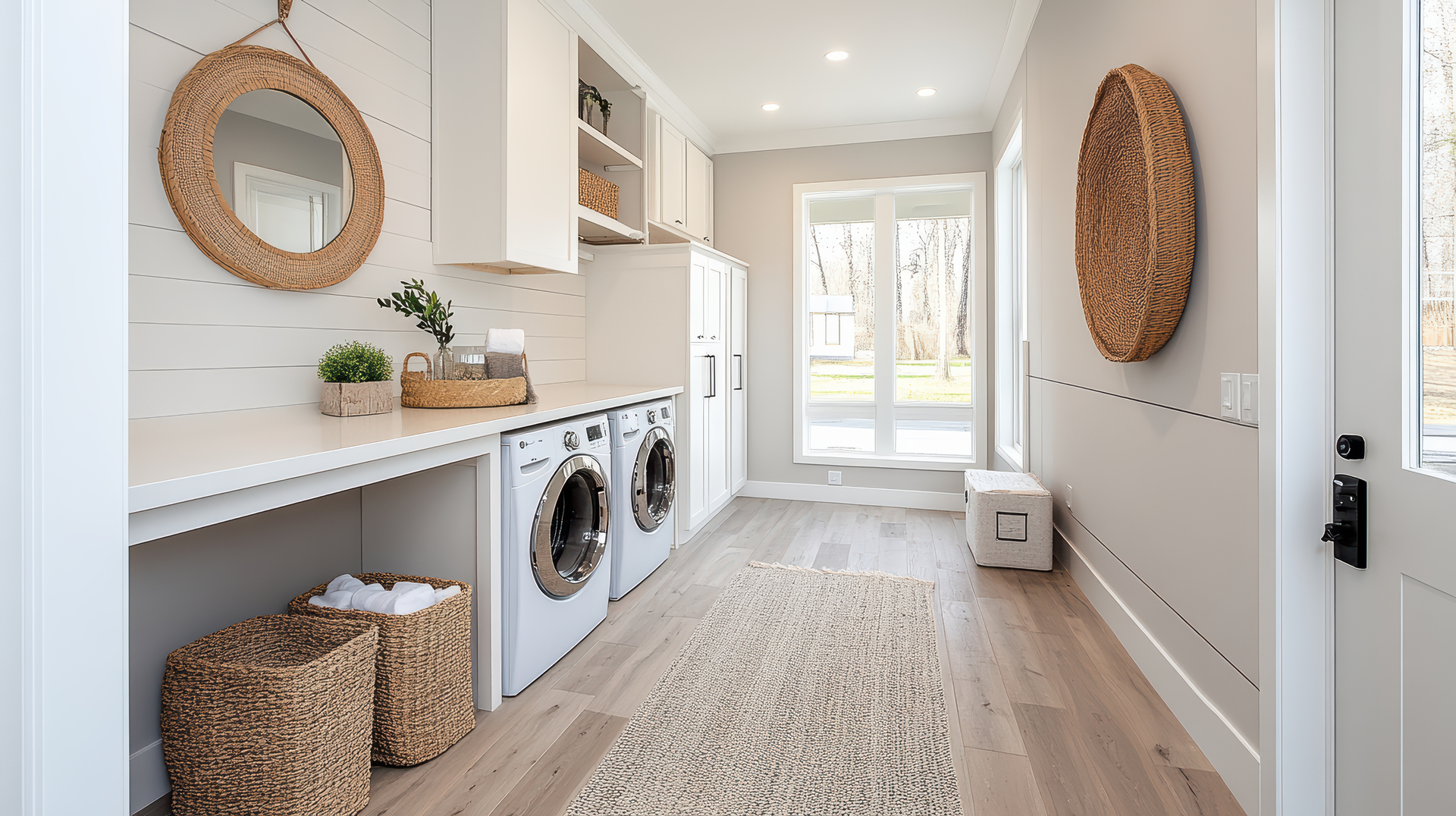
Laminate flooring has come a long way in recent years. Today’s designs offer realistic wood visuals, durable wear layers, and improved moisture protection that make them appealing for busy Brooklyn homes. One of the most common questions homeowners ask is whether waterproof laminate and water-resistant laminate are the same thing.
They are not. While both options are designed to handle moisture better than traditional laminate, the level of protection, construction, and ideal applications can differ significantly. Understanding these differences makes it easier to choose flooring that truly supports daily life — especially in kitchens, entryways, and family spaces where spills are part of the routine.
Moisture protection starts at the core
The main difference between waterproof and water-resistant laminate lies in the core material and how it reacts to moisture.
Water-resistant laminate is designed to repel surface spills for a limited amount of time. If a drink is knocked over or a pet bowl tips, the flooring can typically handle it — as long as it’s cleaned up within the recommended timeframe. The protective top layer slows moisture from seeping into the core, but prolonged exposure may eventually cause swelling.
Waterproof laminate, on the other hand, is engineered to prevent water from penetrating into the core altogether. Many waterproof products feature advanced locking systems and treated cores that resist swelling even if moisture sits on the surface longer than expected. For households with children, pets, or heavy foot traffic, this added protection can make a noticeable difference.
Where water-resistant laminate performs well
Water-resistant laminate works beautifully in many areas of the home. Bedrooms, living rooms, dining rooms, and hallways are all ideal settings. Even kitchens can be a suitable space, provided spills are cleaned promptly and routine maintenance is followed.
For homeowners exploring laminate as an alternative to hardwood, browsing a wide selection of laminate flooring options can help clarify which products offer enhanced moisture resistance and which are best reserved for drier areas.
Water-resistant laminate is often more budget-friendly than fully waterproof collections, making it an attractive option for larger spaces where constant moisture exposure isn’t expected.
Everyday spills versus standing water
Understanding real-life scenarios helps clarify the distinction.
Water-resistant laminate is built to handle everyday spills — think splashes near the sink or damp shoes on a rainy day. It performs well under normal household conditions. However, standing water from a plumbing issue or a significant appliance leak may overwhelm its protective barrier.
Waterproof laminate is designed to better withstand these unexpected events. While no floor should be left submerged indefinitely, waterproof laminate provides additional peace of mind in areas prone to moisture, such as kitchens and entryways.
Construction details that matter
The technology behind waterproof laminate often includes:
Tighter locking systems to reduce gaps
Sealed edges that prevent water from seeping between planks
Treated or composite cores that resist swelling
Enhanced underlayment options for added protection
These structural upgrades differentiate waterproof collections from basic water-resistant designs. The visual appearance may look similar, but performance under moisture is where the difference truly shows.
A practical choice for Brooklyn kitchens
In Brooklyn homes — where kitchens often serve as gathering spaces — moisture resistance becomes especially important. Between cooking, cleaning, and daily activity, flooring must handle more than just foot traffic.
Those considering laminate for food-prep areas may also want to compare it with other resilient surfaces like waterproof flooring solutions that are specifically engineered for high-moisture environments. Each product category has strengths, and selecting the right one depends on lifestyle, layout, and comfort preferences.
Appearance and performance can coexist
One of the biggest advantages of modern laminate is its realistic wood appearance. Advances in imaging and embossing techniques create surfaces that closely mimic natural hardwood, complete with grain texture and matte finishes.
Both waterproof and water-resistant laminate offer beautiful styles ranging from light coastal tones to deep, rich browns. The difference lies less in aesthetics and more in functionality. Choosing between the two comes down to how the space is used — not how it looks.
Installation considerations
Proper installation plays a critical role in performance. Even waterproof laminate relies on correctly sealed edges and expansion gaps to function as intended. Professional installation ensures that planks are locked tightly, subfloors are prepared properly, and transitions are sealed where needed.
Moisture barriers and underlayment choices also impact longevity. In multi-family buildings or older Brooklyn properties, subfloor conditions may require special attention to maximize protection.
Maintenance and long-term care
Both waterproof and water-resistant laminate are relatively easy to maintain. Regular sweeping or vacuuming prevents grit from scratching the surface. Damp mopping with manufacturer-approved cleaners keeps the floor looking fresh without introducing excess moisture.
Avoid steam cleaning unless explicitly recommended. Even waterproof systems can be compromised by extreme heat and pressure over time. Simple, consistent care goes a long way toward preserving appearance and structural integrity.
Choosing based on lifestyle, not marketing labels
Marketing terms can sometimes blur the line between product categories. The key is evaluating how a household functions day to day.
Are there pets frequently tracking in wet paws?
Is the kitchen heavily used for cooking and entertaining?
Does the entryway see frequent exposure to rain or snow?
If moisture exposure is occasional and manageable, water-resistant laminate may perform beautifully. If peace of mind against more frequent spills or minor leaks is a priority, waterproof laminate may be the better investment.
Finding the right fit for the space
Every Brooklyn home has its own rhythm. Flooring should complement that lifestyle rather than complicate it. Understanding the difference between waterproof and water-resistant laminate helps prevent future headaches and ensures that expectations match performance.
When product selection is guided by realistic needs instead of assumptions, laminate flooring becomes a practical, stylish solution that stands up to everyday life.
Connect with our Brooklyn flooring team today
Moisture protection matters — especially in busy Brooklyn homes. Our team at Bay Ridge Carpet & Linoleum Corp. takes the time to walk through the differences between waterproof and water-resistant laminate so every decision feels confident and informed. From product selection to meticulous installation across Brooklyn, Staten Island, Manhattan, Queens, and the Bronx, our focus stays on quality and long-term performance. Reach out through our contact us page to discuss the right laminate flooring for the space.


