


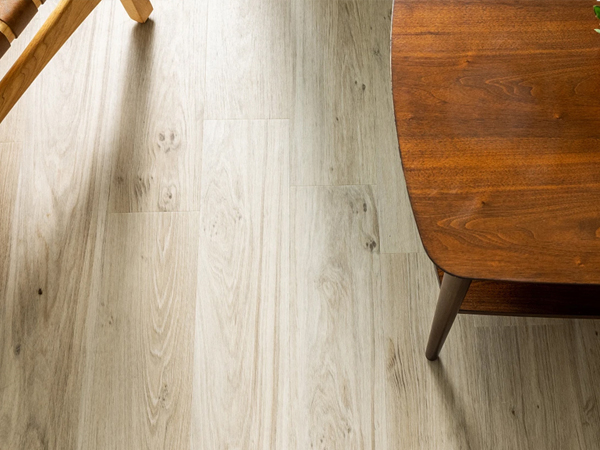
Laminate flooring has evolved far beyond its early reputation, offering a balance of durability, style, and practicality that works well in busy homes. While most attention goes to the surface design, the real performance often comes from what lies underneath, the core layer.
At Bay Ridge Carpet & Linoleum Corp, conversations with homeowners across Brooklyn, Staten Island, Manhattan, Queens, and the Bronx often turn toward how laminate holds up over time. Through our in-home flooring experience, core differences become easier to understand when samples are handled side by side.
Why The Core Layer Defines Everyday Performance
The core of laminate flooring acts as its structural base. It determines how well planks resist pressure, moisture exposure, and long-term wear. Two of the most common core types are HDF and MDF, and while they may sound similar, their performance can feel very different once installed.
HDF Core Construction And Its Strength Advantage
High-density fiberboard, often referred to as HDF, is made by compressing wood fibers at a higher pressure. The result is a denser and more compact core that provides added stability under daily use.
This type of core is often selected for areas where durability matters most, especially in active households where flooring needs to handle consistent movement.
- Higher density for improved resistance to dents and pressure
- Better stability under heavy furniture or foot traffic
- Typically supports tighter locking systems between planks
- Works well with many modern laminate constructions
MDF Core As A Softer Alternative
Medium-density fiberboard, or MDF, uses a similar composition but with less compression during manufacturing. This creates a lighter and slightly softer core.
While MDF can still perform well in certain settings, it is often better suited for spaces with lighter daily use where extreme durability is not the primary concern.
- Lower-impact areas with moderate use
- Spaces where a softer feel is preferred underfoot
- Installations where cost considerations play a larger role
- Situations where moisture exposure is minimal
Moisture Response And Long-Term Stability
Beyond strength, one of the most important differences between HDF and MDF is how each reacts to moisture. Even small changes in humidity can influence how laminate flooring performs over time.
How Density Affects Moisture Resistance
HDF’s tighter structure makes it less prone to absorbing moisture quickly. While no traditional laminate core is fully waterproof, HDF tends to handle minor exposure better than MDF.
MDF, being less dense, can absorb moisture more easily. This can lead to expansion if spills or humidity are not managed carefully.
Locking Systems And Seam Integrity
The core type also plays a role in how well planks lock together. HDF cores often support more precise locking systems, which helps keep seams tight and reduces movement between boards.
Exploring different laminate flooring styles can highlight how these locking systems vary across products and why core strength matters for long-term performance.
Choosing The Right Core For The Way A Space Is Used
Selecting between HDF and MDF is less about which is better and more about which fits the environment. Each space within a home has its own demands, and the core should match those conditions.
Matching Core Type To Room Function
High-traffic areas such as living rooms or entryways often benefit from the added strength of HDF. Bedrooms or lower-use areas may perform well with MDF when conditions remain consistent.
Understanding how each room is used helps guide the decision toward a core that supports both comfort and durability.
Supporting Installation With The Right Foundation
The core works alongside other elements like subfloor preparation and installation techniques. A stable base helps maintain plank alignment and reduces long-term movement.
Insights found in laminate flooring construction details can help clarify how different layers work together to create a reliable finished floor.
The difference between HDF and MDF may not be visible once the floor is installed, but it becomes noticeable over time through performance and feel. From how the floor responds to pressure to how it handles changes in humidity, the core plays a quiet but important role.
Taking the time to understand these differences allows each flooring choice to feel more intentional. The result is a surface that not only looks right but continues to perform the way it should.
Explore Laminate Flooring That Fits The Space From The Inside Out
Every flooring decision becomes easier when the structure behind it is clearly understood. Connect through our flooring consultation page to find laminate options that align with both design and long-term performance goals.


