


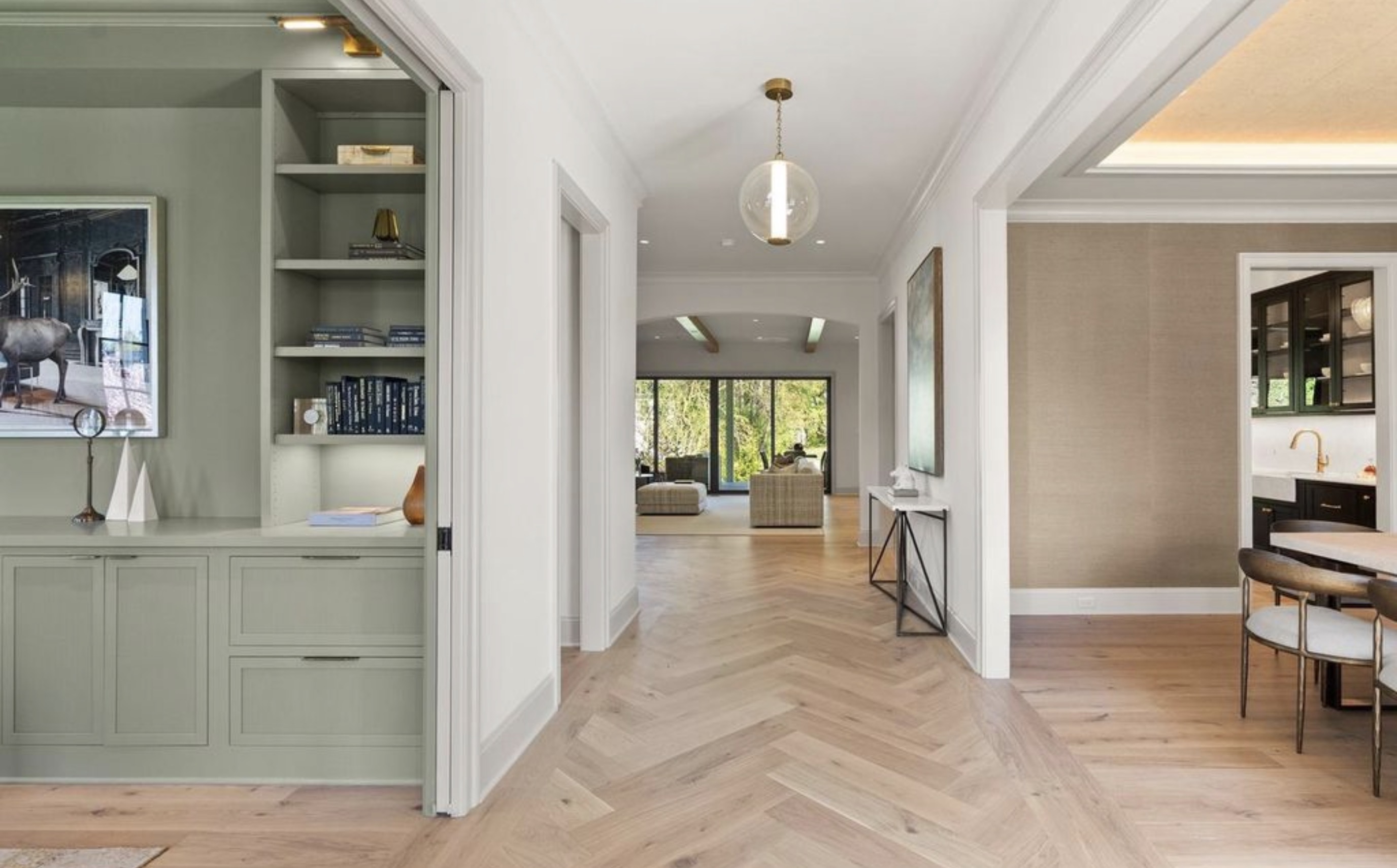
Small apartments in New York have a way of making every design decision feel a little high stakes. A floor covers more visual ground than any other surface in a room, so its color quietly sets the tone for everything sitting above it. The light versus dark question comes up in almost every conversation about wood floors, usually somewhere between the tape measure and the paint chips.
We at Bay Ridge Carpet & Linoleum Corp have been helping neighbors across Brooklyn, Staten Island, Manhattan, Queens, and the Bronx answer that question for more than forty years. The honest answer is that both shades can work beautifully in a small footprint, and the right one depends on your windows, your walls, and how you live in the room. Choosing hardwood for a compact space is less about following a rule and more about reading the light you already have.
What floor color really does to a compact room
Color changes the way light behaves once it enters a space. Pale surfaces bounce daylight back into the room, while deeper tones absorb it and hold it close to the ground. In a four hundred square foot studio, that single difference shapes whether the room feels airy or feels like a warm, enveloping cocoon.
Where pale planks earn their reputation
Light oak, white washed maple, and blonde ash reflect daylight up toward the ceiling, which visually pushes the walls outward. In a Brooklyn walk up with one north facing window, every bit of that reflected light is worth having.
Pale floors also soften the line between floor and wall when paired with warm whites and creams. A room without a hard visual break tends to read as one continuous volume rather than a series of small boxes. They stay looking tidy between cleanings too, which matters when the vacuum lives in a closet you have to reach around.
The quiet drama of a darker floor
Deep walnut and espresso tones do something entirely different. They anchor a room, create contrast, and make light walls, pale rugs, and slim furniture look brighter by comparison. In a small space with generous natural light, a rich floor can feel intimate and beautifully intentional.
The trade off is worth knowing in advance. Darker finishes show dust and footprints more readily, and they hold onto light rather than spreading it. If your windows face a brick wall a few feet away, a deep floor will lean more heavily on your lamps to do the work.
Sheen, plank width, and the details that tip the balance
Color is only half the story. A satin or matte finish scatters light gently and keeps everyday scuffs discreet, while a high gloss reflects the ceiling fixture, the window, and everything else in the room right back at you.
Plank width matters just as much in tight quarters. Wider boards mean fewer seams, and fewer seams read as more open floor, especially when the planks run along the longest wall in the room.
Letting your own light make the call
A sample that looks perfect under showroom lighting can read completely differently in a fourth floor apartment at four in the afternoon. The shop at home service exists for exactly that reason, so you can set real planks on your real floor and watch them shift through the day.
Layering gives you flexibility as well. Area rugs can soften a dark floor or add warmth over a pale one, which means the shade you choose never has to carry the whole room on its own.
Bring the samples home before you decide
Picking a floor tone is far easier with someone beside you who has watched it play out in hundreds of small city rooms. A design consultation gives you that second opinion, along with samples you can live with for a few days before committing to anything. We would love to help you land on the shade that makes your space feel its very best.


