


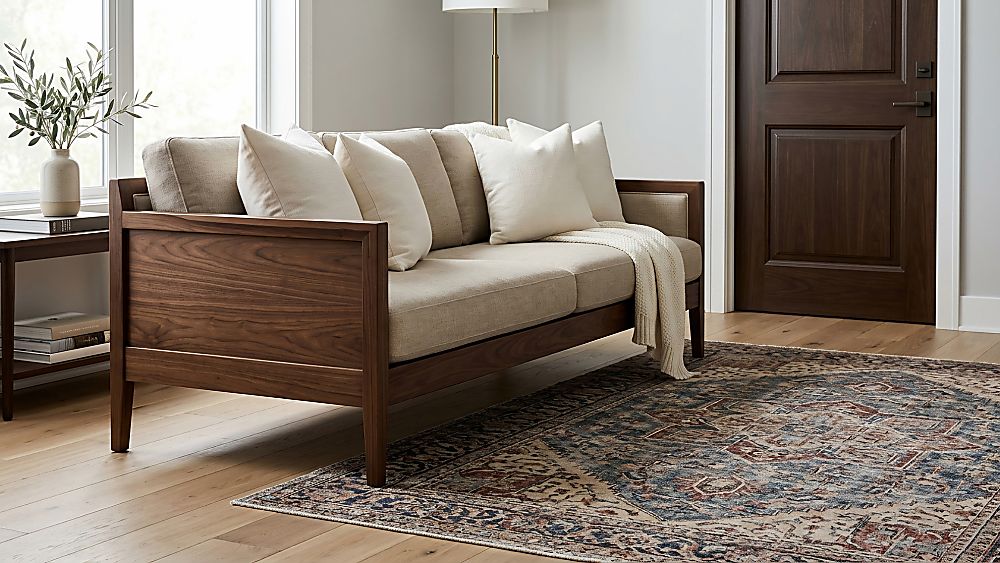
Winter brings sub-freezing temperatures and persistent drafts across Brooklyn, Manhattan, and surrounding New York metropolitan neighborhoods. Hardwood planks offer architectural beauty in historic brownstones and modern apartments alike, but bare timber feels cold underfoot during January frosts. Layering rugs across natural wood surfaces solves seasonal discomfort right away. The combination adds physical insulation, shields boards from salt-laden urban grit, and brings rich depth to living rooms without hiding the natural wood grain beneath.
Start with a Solid Foundation for Thermal and Sound Control
Natural wood contracts as interior humidity drops during cold weather, creating tiny gaps where chilly drafts travel up through subfloors. A substantial base rug acts as a physical barrier that stops air movement and keeps heat inside your living areas. In multi-family buildings and pre-war apartments, a generous bottom layer also helps satisfy strict building acoustic rules by dampening footsteps between floors.
Select the Right Base Rug Materials
The bottom layer serves as the anchor for the entire seating area. Broad neutral pieces define floor boundaries, ground furniture layouts, and protect delicate plank finishes from daily friction.
Neutral flatweaves: Low-profile jute, sisal, or tightly woven wool flatweaves rest flat against hardwood without bunching, creating a firm platform for smaller accent rugs.
Dense wool loops: Tightly woven wool fibers trap warm air pockets across the floor, delivering dependable thermal retention through the coldest winter stretches.
Low-pile synthetics: Tight synthetic carpets resist moisture spills and handle constant movement across busy family spaces.
Anchor Layers with Proper Padding
Unsecured rugs shift across slick polyurethane or wax finishes, creating sudden slips and edge curls. A dense felt-and-rubber rug pad beneath the primary piece grips the floorboards securely without staining the wood finish. This protective foundation eliminates bunching, prevents surface scuffs, and boosts overall acoustic performance ratings required by NYC co-op and condo boards, specifically Impact Insulation Class (IIC) and Sound Transmission Class (STC) standards.
Balance Textures, Proportions, and Seasonal Colors
Pairing different woven textures brings warmth and visual balance into seasonal interiors. The goal is thoughtful contrast rather than busy patterns that compete for attention. An understated, neutral base allows a plush or patterned top rug to take center stage, creating a comfortable focal point in front of a sofa or hearth.
Contrast Textures for Maximum Comfort
Texture creates immediate tactile warmth. High-pile accents soften the hard architectural lines of exposed brick, plaster walls, and smooth oak or maple boards.
Thick wool plush over natural weave: Placing a deep, hand-knotted pile over a flat-woven base cushions feet against cold drafts while adding depth to the room.
Faux hides over neutral grounds: Organic, curved outlines break up rigid rectangular room dimensions and draw attention to the warm wood tones beneath.
Vintage patterned pieces over textured foundations: Traditional motifs introduce deep winter tones like burgundy, navy, and amber without overwhelming the floor layout.
Scale Proportions to Frame Your Rooms
Size relationships determine whether layered flooring looks deliberate or chaotic. Your base rug needs to extend far enough so the front legs of all major seating pieces rest squarely on the fabric, leaving about twelve to eighteen inches of exposed wood perimeter along the walls. Position your top accent rug centered under a coffee table or aligned with the main seating group. Keeping distinct visible margins between both floor coverings ensures the bottom textile frames the upper accent piece cleanly.
Protect Natural Timber from Winter Foot Traffic
Winter city living brings snow melt, coarse sidewalk salt, and gritty dirt straight through residential entryways. Tracked-in particles scratch wood finishes and dull natural plank luster over time. Deliberate placement catches abrasive debris before shoe soles scuff hallway or parlor floorboards.
Establish entryway staging: Place a durable runner inside the foyer to catch outdoor moisture before family members step onto central living room floors.
Cover central walkways: Spread resilient area rugs across primary paths to protect plank seams from persistent winter foot traffic.
Match unusual floor dimensions: Narrow brownstone halls and compact apartment foyers frequently demand non-standard shapes. Investing in custom area rugs delivers custom-cut, edge-bound dimensions made for your exact room dimensions.
Plan Your Flooring Update with Local Expertise
Choosing balanced fibers, sizes, and colors requires seeing how materials look in genuine home lighting. Stop by Bay Ridge Carpet & Linoleum Corp at our showroom at 7710 5th Avenue in Brooklyn, NY. Our family team can walk you through durable wool weaves, patterned carpets, and non-slip pads suited for brownstones and modern apartments. If you want to see material samples under your room lights, set up our mobile shop-at-home service to test textile combinations right beside your furniture and wall trim.


